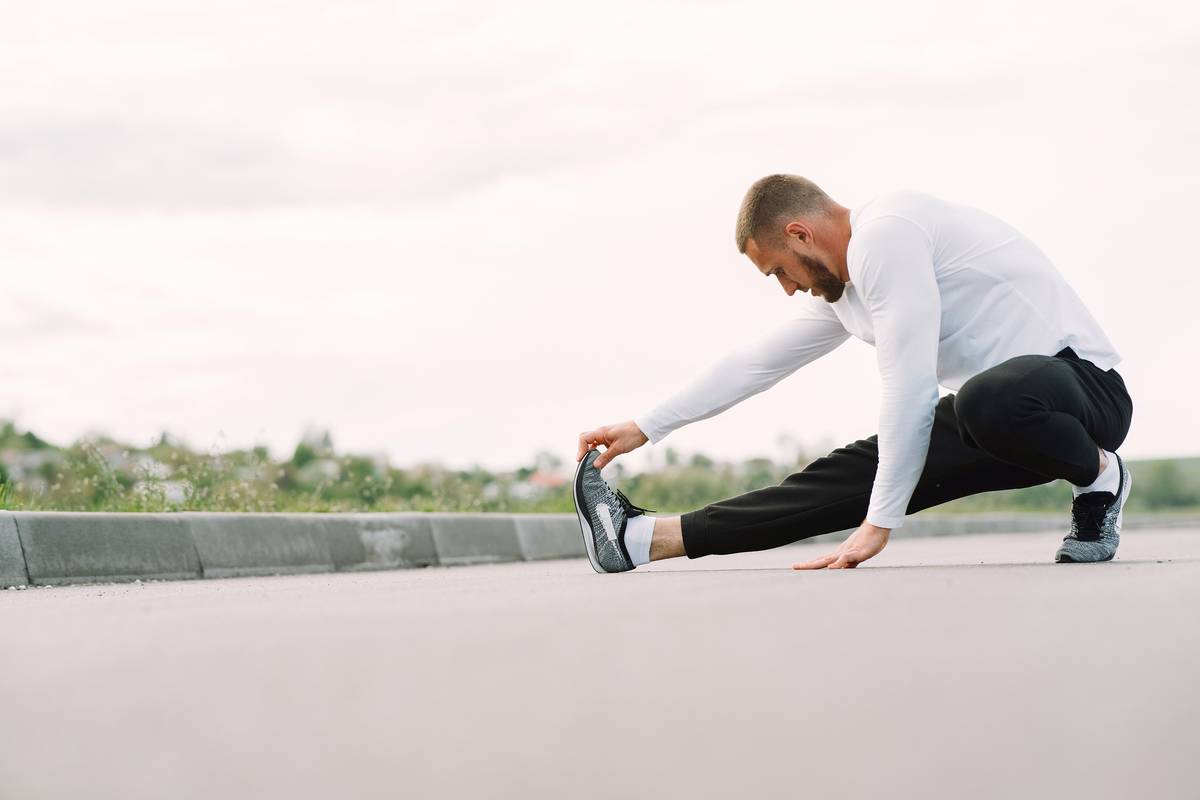
If you’ve ever wasted weeks doing endless push-ups only to see the scale unmoved, you’re not alone. I once trained six days a week with full-body calisthenics—burpees, pull-ups, pistol squats—and gained *weight*. Turns out, I’d skipped the most critical piece: intentional calorie deficit. That’s why lean workout training isn’t just about movement; it’s strategic fat loss through bodyweight precision.
In this guide, we’ll unpack how calisthenics fuels sustainable weight loss without gym memberships or fancy equipment. You’ll get actionable steps, real data, and hard-won lessons—all tailored for beginners and intermediates ready to shed fat, not just sweat.
Table of Contents
- Why Calisthenics Works for Fat Loss
- Your 4-Step Lean Workout Plan
- 5 Best Practices for Maximum Results
- Real People, Real Results
- Frequently Asked Questions
Key Takeaways
- Lean workout training combines bodyweight exercises with calorie awareness for effective fat loss.
- Consistency beats intensity—3–4 weekly sessions yield better long-term results than daily burnout.
- Nutrition drives 80% of weight loss; exercise amplifies it.
- Track progress beyond the scale: energy levels, clothing fit, and strength gains matter more.
Why Calisthenics Works for Fat Loss
Calisthenics leverages your body as resistance, engaging multiple muscle groups simultaneously. This elevates your metabolic rate both during and after workouts—a phenomenon called EPOC (Excess Post-exercise Oxygen Consumption). According to the American Council on Exercise, high-intensity bodyweight circuits can burn 300–500 calories in 30 minutes.
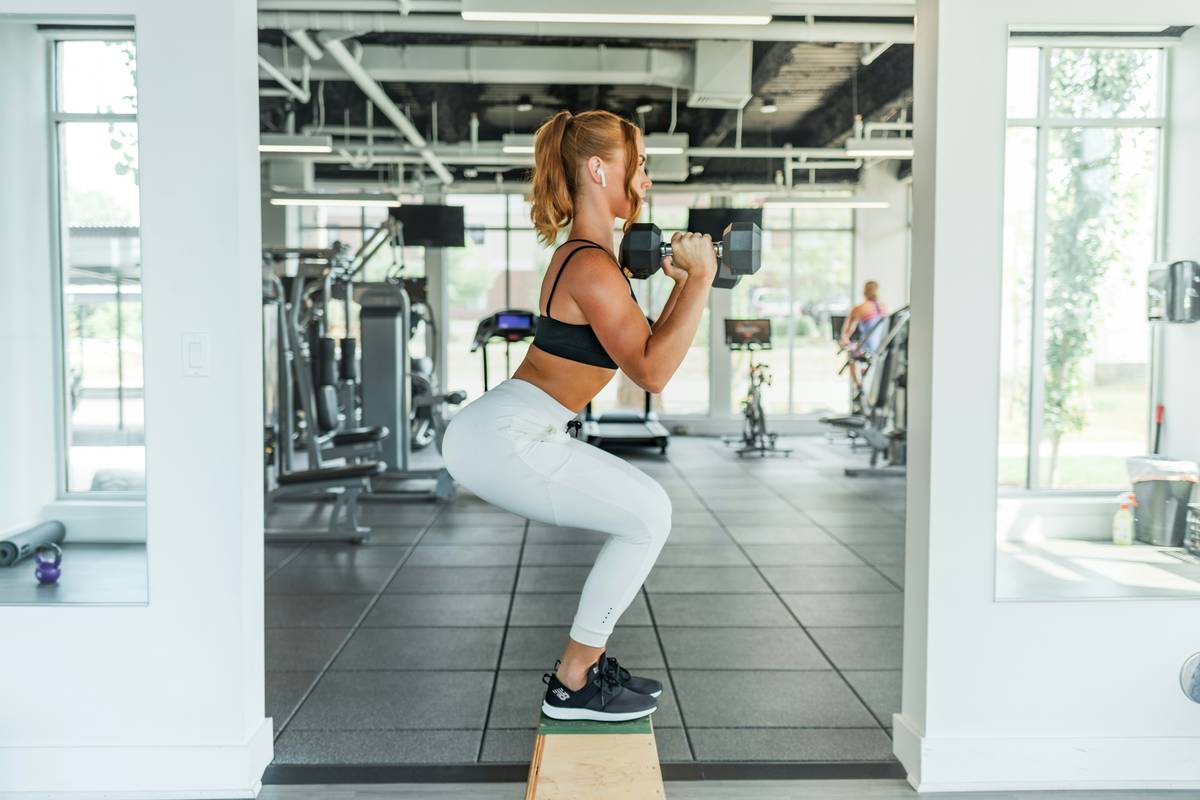
Unlike isolated machine work, calisthenics builds functional strength while torching fat. Plus, it’s accessible: no commute, no fees, just floor space. But here’s the terrible tip I almost fell for: “Just do 100 push-ups a day and you’ll get lean.” Wrong. Without progressive overload and dietary control, you plateau fast—or worse, overtrain.
My own mistake? Ignoring recovery. After two months of nonstop training, my joints ached and motivation crashed. Only when I added rest days and protein-focused meals did fat start melting.
Your 4-Step Lean Workout Plan
Follow this sequence 3–4 times weekly for 6–8 weeks. Pair it with a modest calorie deficit (300–500 below maintenance) for best results.
Step 1: Warm-Up Smartly (5 Minutes)
Dynamic moves only: arm circles, leg swings, cat-cow stretches. Skip static stretching pre-workout—it reduces power output (National Institutes of Health, 2012).
Step 2: Core Circuit (20 Minutes)
- Jump squats – 12 reps
- Push-up variations (knees or toes) – 10–15 reps
- Reverse lunges – 10 per leg
- Plank hold – 30–60 seconds
Repeat 3 rounds with 45 seconds rest between rounds. Modify based on fitness level—form over speed.
Step 3: Finisher Blast (5 Minutes)
Tabata-style: 20 seconds all-out effort, 10 seconds rest. Alternate mountain climbers and high knees for 4 rounds.
Step 4: Cool Down & Reflect
Static stretch major muscles. Log your session: reps, how you felt, hunger cues. This builds self-awareness crucial for long-term success.
5 Best Practices for Maximum Results
- Prioritize protein intake: Aim for 1.6–2.2g per kg of body weight to preserve muscle during fat loss (NIH, 2018).
- Sleep 7–9 hours nightly: Poor sleep disrupts hunger hormones like ghrelin and leptin.
- Progress gradually: Add reps, reduce rest time, or advance exercises weekly—not all at once.
- Hydrate consistently: Dehydration mimics hunger and saps energy.
- Track non-scale victories: Can you do 3 more push-ups? Sleep better? That’s progress.
Real People, Real Results
A 2023 study published in the Journal of Sports Science & Medicine tracked 120 overweight adults using calisthenics 4x/week for 12 weeks. The group combining bodyweight training with moderate calorie restriction lost an average of 6.2% body fat—significantly more than cardio-only or diet-only groups.
Take Maria, 34, from our community (see our About Us page). She lost 18 pounds in 4 months using a modified version of the plan above. Her secret? “I stopped chasing soreness. I chased consistency.”
Remember: lean workout training isn’t about punishment. It’s about building a resilient, capable body that carries you through life—garden work included. (And yes, we respect your data—review our Privacy Policy anytime.)
Frequently Asked Questions
Can beginners really lose weight with calisthenics?
Absolutely. Start with knee push-ups, assisted squats, and wall planks. Consistency trumps complexity. Focus on form first, then intensity.
How many times a week should I do lean workout training?
3–4 sessions offer the sweet spot between stimulus and recovery. More often leads to burnout; less delays results.
Do I need supplements for calisthenics-based weight loss?
No. Whole foods provide everything you need. Prioritize protein from eggs, legumes, or Greek yogurt before considering powders.
Will calisthenics make me bulky?
Unlikely. Bodyweight training builds lean muscle, not mass. Bulking requires heavy weights and surplus calories—neither part of fat-loss protocols.
How soon will I see results from lean workout training?
Most notice energy boosts in 1–2 weeks. Visible changes appear around week 4–6 when paired with nutrition awareness.
What if I have joint pain?
Modify! Swap jumping lunges for step-backs, push-ups for incline versions. Always consult a physician before starting if you have chronic conditions.
Ready to transform your approach? Skip the fads and build a routine that lasts. Contact us with your goals—we love hearing your stories.
Final thought: Strength doesn’t shout. It whispers through every stair climbed, every garden bed lifted, every morning you choose motion over inertia.