Introduction to Uncle B’s Organic Gardening
Uncle B’s Organic Gardening emerged from a deep-rooted passion for nature and a commitment to sustainability. Founded by a family dedicated to cultivating plants without the use of synthetic chemicals, Uncle B’s aims to promote healthy eating and environmental stewardship. The motivation behind this initiative lies in the belief that food should be grown in harmony with nature, free from harmful pesticides and artificial fertilizers. By adopting organic methods, Uncle B’s provides consumers with safe, nutritious produce while fostering biodiversity in local ecosystems.
One of the key principles of Uncle B’s Organic Gardening is the philosophy that healthy soil leads to healthy plants. This approach differs significantly from traditional gardening methods, which often rely on monocultures and chemical inputs that can degrade soil health over time. Instead, Uncle B’s emphasizes the importance of soil health, utilizing compost, crop rotation, and companion planting to nurture the environment. This not only strengthens the plants grown but also supports a myriad of beneficial organisms that contribute to the ecosystem.
Organic gardening as practiced by Uncle B’s is an environmentally friendly method that prioritizes sustainability. By minimizing the carbon footprint associated with agricultural practices and promoting local food production, Uncle B’s showcases the benefits of organic gardening. As more individuals become aware of the adverse effects of conventional farming, the appeal of this sustainable approach continues to grow. Uncle B’s Organic Gardening not only enriches the earth but also inspires a community of gardeners to share in the joys of cultivating life in a balanced and natural way.
The Principles of Organic Gardening
Organic gardening revolves around a set of principles designed to foster a sustainable and healthy ecosystem. Central to these principles is the concept of soil health. Healthy soil serves as the foundation for organic gardening, as it promotes plant growth and vitality. To achieve this, practices such as composting are encouraged, as they enrich the soil with organic matter and nutrients. The decomposition of organic materials generates a rich compost that can enhance soil fertility and structure.
Another key principle is biodiversity, which emphasizes the importance of cultivating a variety of plants in an organic garden. By incorporating different species, gardeners can create a balanced ecosystem that attracts beneficial insects, pollinators, and other organisms essential for crop health. This diverse approach not only reduces the risk of pest infestations but also improves resilience against diseases.
Crop rotation further supports organic gardening principles by preventing soil depletion and disrupting pest cycles. By rotating crops each season, gardeners can enhance soil nutrients and reduce the prevalence of pests that thrive on specific plants. This method encourages a dynamic gardening environment that continuously supports healthy growth while minimizing the need for synthetic fertilizers.
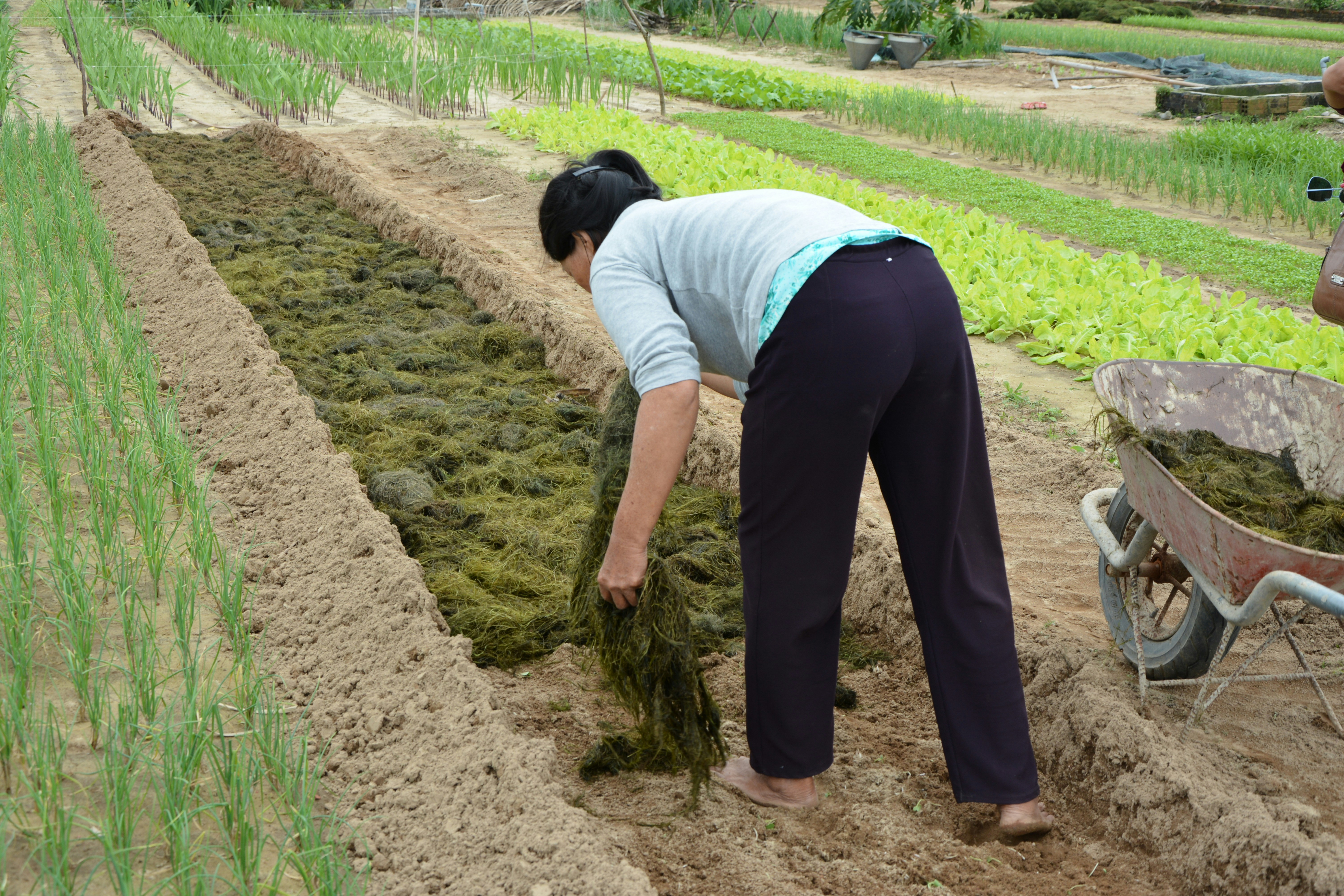
A fundamental aspect of organic gardening is the elimination of harmful chemicals. Organic gardeners prioritize using natural pest control methods, such as introducing beneficial insects or using organic repellents, to manage pest populations without risking the health of the ecosystem. Techniques such as mulching are also employed to reduce weeds, retain soil moisture, and suppress pest activity, thereby enabling a more holistic approach to gardening.
Benefits of Organic Gardening
Engaging in organic gardening presents a myriad of benefits, extending beyond personal gain to positively affect the environment, community, and economy. One of the most significant advantages of organic gardening is the enhancement of soil quality. Unlike conventional gardening practices that often involve synthetic fertilizers, organic methods prioritize the use of natural fertilizers and compost, which promote soil health. Healthier soil leads to improved water retention, reduced erosion, and a diverse soil microbiome, which is vital for nutrient cycling.
Moreover, organic gardening fosters the growth of healthier plants. By avoiding harmful pesticides and herbicides, organic gardeners create a safer ecosystem for plants, encouraging natural resilience against pests and diseases. This practice not only results in higher nutritional value but also delivers produce that is free from harmful chemical residues. As numerous studies have shown, fruits and vegetables grown organically often contain higher levels of antioxidants and other beneficial compounds.
Another noteworthy benefit lies within the ecological impact of organic gardening. It promotes biodiversity by providing habitats for various species, such as pollinators and beneficial insects. This, in turn, enhances local ecosystems, enabling them to thrive and maintain ecological balance. Additionally, organic gardening contributes to sustainable practices, reducing the carbon footprint associated with transportation and packaging associated with conventional farming.
Personal anecdotes reflect these advantages vividly. Many gardeners report a deepened connection to nature, leading to mental well-being and a sense of accomplishment after witnessing the results of their organic methods. Furthermore, communities involved in organic gardening initiatives often see improved social cohesion, as these gardening practices foster collaboration and shared responsibility among neighbors. Ultimately, the benefits of organic gardening encapsulate a holistic approach, harmonizing personal health, community enrichment, and environmental stewardship.
Getting Started with Your Own Organic Garden
Beginning your own organic garden can be both rewarding and fulfilling. To embark on this journey, the first step is to choose the right location for your garden. Look for a spot in your yard that receives adequate sunlight—ideally, at least six hours per day. The area should also have good drainage and accessibility for watering and maintenance. Once you’ve identified the perfect spot, it’s time to prepare the soil. Organic gardening emphasizes the importance of healthy soil, so consider testing your earth to determine its pH and nutrient levels. This will guide you in amending it with organic compost or other natural fertilizers.
Next, selecting suitable plants is crucial. Start with a few easy-to-grow varieties, such as tomatoes, lettuce, or herbs like basil and parsley. These plants are great for beginners and can thrive in a home garden environment. Be mindful of the climate in your region when choosing plants; researching native species can also yield successful results as they are typically better adapted to local conditions.
Once your plants are in place, caring for your organic garden means keeping a consistent watering schedule and monitoring for pests without resorting to synthetic pesticides. Introducing beneficial insects, such as ladybugs, can help naturally control pests. Additionally, mulching around your plants not only suppresses weeds but also retains moisture in the soil.
As you cultivate your garden, consider joining local gardening groups or online forums. These communities can provide valuable resources, tips, and support as you learn and grow in your organic gardening endeavors. Engaging with others who share similar interests can enhance your experience and provide a sense of belonging as you cultivate nature’s best.